

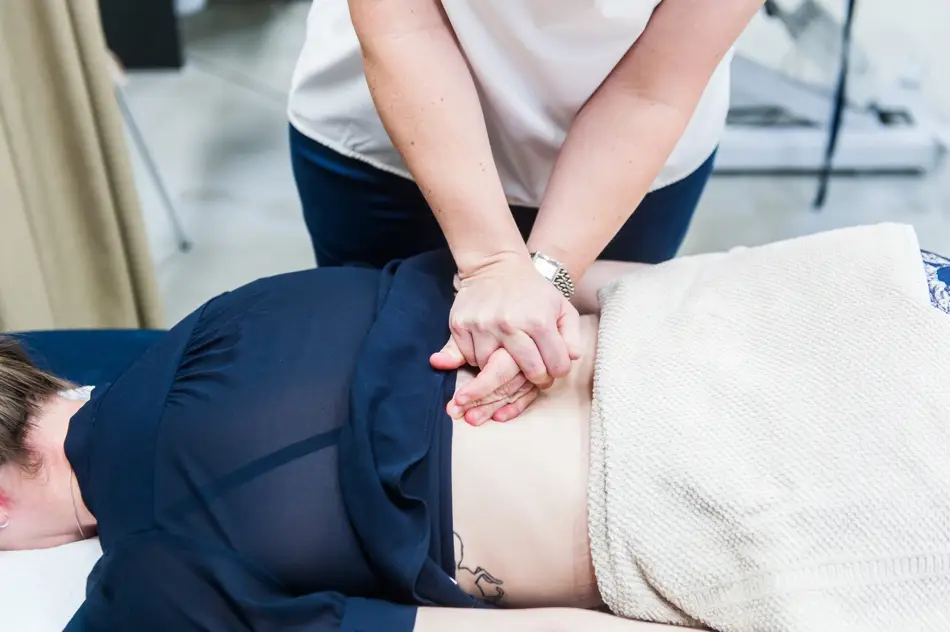
Back pain often improves with proper movement rather than staying in bed, and physiotherapy can provide a clear strategy to help you recover. At Pivotal Motion in Newmarket, we first identify the root cause of your discomfort. Then, we create a personalised treatment plan that considers your body’s unique needs and the daily activities you engage in.
Perhaps you woke up with a stiff lower back, or you have been dealing with persistent discomfort for months. Whatever the case, our goal remains the same: alleviate pain and restore your range of motion while preventing future issues. If you’re ready to begin your journey to recovery, you can easily book an appointment online or contact our Brisbane clinic by phone.
Common causes of back pain we treat
Lower back pain is the most common cause of disability globally and it is usually down to loading and motion issues instead of major trauma. Most of our patients are office-based staff in Brisbane and have tightness in their back muscles because of prolonged sitting. Being seated in the office for eight hours will cause tightness of the hip flexors and keep the lower back in one place for a long time. This causes back pain while standing up, driving back home, after long meetings, and even when waking up in the morning.
Aside from desk posture, the common causes we treat include:
- Lifting strains
- Injuries caused by playing sports such as running and working out in the gym
- Workplace repetitive movements
- Sudden and awkward twisting
- Disk-related problems, ranging from a bulging disk to disk degeneration with age
- Sciatica
- Long-lasting muscle tension
Causes for back pain often do not have a single cause. There are many things at play, and bad posture is just one of them.
How physiotherapy treats back pain
Determining the underlying problem behind your back pain is the first step towards successful treatment. Once the cause has been determined, the best means of dealing with it will be chosen. We combine manual treatment, which gives you immediate relief from your pain, along with physical exercises that help to make your back strong. The immediate pain relief will be provided through manual therapy, while the exercise program will ensure sustained recovery and minimise the chances of future issues.
Manual therapy and joint mobilisation
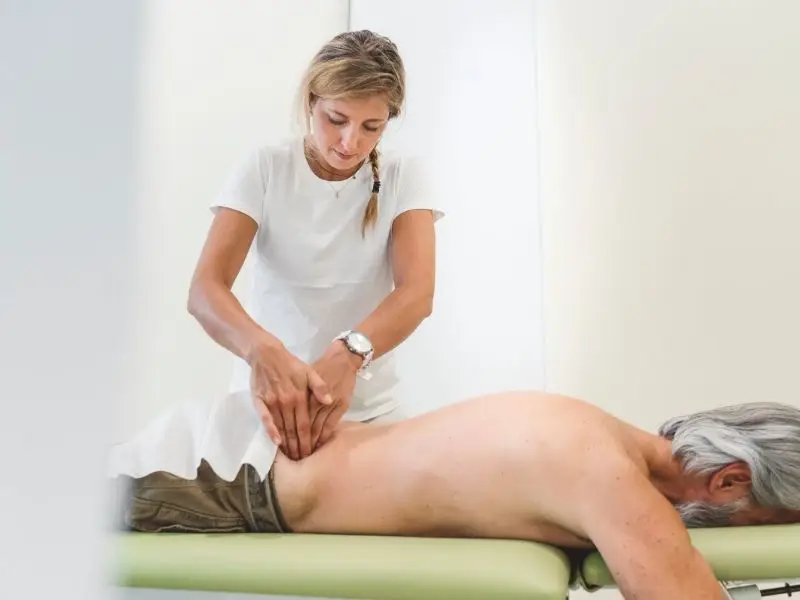
The manual therapy technique entails various hands-on methods that seek to reduce pain and promote flexibility. Some of the techniques employed include joint mobilisation, which entails the use of gentle pressure to enhance mobility in the stiff parts of the spine. In addition to this, there are soft-tissue manipulations used to relieve tight muscles around the spine. In cases where someone has a painful and stiff back, we begin with this.
Exercise therapy and core strengthening
The aim of exercise therapy is to restore the stability of your spine and build your core muscles, protecting your back while it is working hard. Everything starts from the simplest stretching and activation exercises and continues up to strength training adjusted to the requirements of your job or sport. When you commit to this routine, you will improve your flexibility and learn to move differently, which will prevent any flare-ups before they occur.
Dry needling for muscle tension
Dry needling entails the utilisation of a very fine needle to release tight bands and trigger points in the muscles, especially those surrounding the spine. The procedure often yields instant relief from muscle tightness and increased range of motion. However, we integrate both dry needling and other manual therapeutic and exercise approaches in order to cover all aspects of treatment. Though needling helps treat the symptoms, exercises play an important role in tackling the causes of pain and tightness.
What happens at your first back pain appointment
Your initial visit entails an assessment where we gain insight into your individual story. Rather than the conventional therapy process, the assessment is a combination of talking and observing. The process begins with your history; this includes when the problem started, the things that improve or make it worse, how it affects you during sleeping and your day-to-day activities, and what your expectations from recovery are.
The next step involves observing your movement pattern. We analyse your bending, walking, sitting, and changing of postures to determine the strength and control of your major muscles. If you have pain and numbness in your legs, we will also check on your nerve functioning. This helps us identify cases that may require a GP’s attention or imaging rather than physiotherapy.
When we have collected all of this data, we will then give you an explanation of your situation in plain English and begin treatment right away. You will go away with one or two things you should be doing when you get home. The vast majority of people will walk out of their first visit with a diagnosis and plan, rather than just another appointment on their calendar.
Is physiotherapy right for your back pain?
Physiotherapy offers significant relief for most people experiencing back pain, particularly the type that fluctuates with movement and posture. If your discomfort lessens when you move and intensifies when you remain still, physiotherapy could be your solution. Starting treatment early often leads to a quicker recovery.
Sometimes, it is wise to first see a doctor. This will be the case if you have a fever, weight loss for no known cause, an injury recently sustained or pain that remains unchanged in all positions.
Immediate medical intervention is required if you find yourself experiencing numbness in the area near the groin or inner thighs, loss of bladder or bowel control, growing weakness in one leg, or experiencing pain that wakes you up every night.
It’s also important to consider imaging. In most cases of low back pain, an MRI or X-ray won’t alter the treatment plan. Many people with no pain at all have scans showing bulging discs or disc degeneration. We will advise you honestly when a scan is beneficial and when it might just cause unnecessary concern.
How long does back pain recovery take?
Acute back pain usually gets better in two to six weeks if you stay active and stick to a recovery plan. A minor muscle or joint strain might even feel better in just a few days. However, if you’ve been dealing with chronic pain for months or even years, expect a longer recovery of often three months or more. This is because you’re not just soothing the pain; you’re also rebuilding strength and altering long-standing habits.
The path to recovery isn’t always smooth. It’s normal to have a great week followed by a flare-up after a particularly strenuous day. This doesn’t mean you’re back to square one. Staying active during these tougher times is crucial. It helps prevent future injuries and keeps your progress on track.
Book back pain physiotherapy in Brisbane
Starting your journey with us is easy. You can schedule an appointment using our online booking system, or simply call the Newmarket clinic at 07 3352 5116. Our friendly team will help you find a convenient time. Not sure if physiotherapy suits your needs? Just give us a call. We’re here to help, even if it means referring you to a different service that better fits your situation.
Frequently asked questions about back pain physiotherapy
Do I need a referral to see a physio for back pain?
No. Physiotherapy is a primary contact profession in Australia, meaning that there is no requirement for a GP referral before making an appointment. Only if you are making a claim under a particular program, like a Medicare care plan, DVA, WorkCover, or similar program, will you require a GP referral.
Can I claim back pain physiotherapy on private health or Medicare?
If you hold extras cover that includes physiotherapy, you can usually get a part of your payment reimbursed, and we will provide the reimbursement immediately using HICAPS. The only way to be able to get physiotherapy covered by Medicare is if it’s done via a chronic disease management program provided by the GP, and it is limited to five sessions per year.
Does physiotherapy for back pain hurt?
It should not be painful. Certain practical methods and exercises may cause some tenderness or even bring back your usual pain temporarily, but the treatment will be based on your tolerance that day. Let your physiotherapist know if something is too much for you, and they will make adjustments.
Should I rest or stay active with back pain?
Remain active. Light activity works better for healing rather than bed rest for the majority of back pain cases. Resting for one day when experiencing acute back pain is fine, but extended rest will only make your spine stiff and prolong recovery.
How soon will I feel relief from back pain after physio?
Most people get some kind of immediate relief after the first treatment session from massage and dry needling, which helps relax the muscles. This sort of relief is promising in the beginning, but permanent change is achieved through the exercise process in the subsequent weeks.
Can physiotherapy help chronic or long-term back pain?
Yes, and it is often the best option for it. Chronic back pain can be treated successfully using a systematic approach aimed at restoring strength and functionality. Your ability to move is gradually restored as you make progress. While it takes time to achieve success, the process is significantly slower than for acute pain, but most people get meaningful, lasting improvement without surgery.
