Managing autoimmune symptoms
What are Autoimmune Conditions
Symptoms of Autoimmune Conditions
How Physiotherapists help people with Autoimmune Conditions
Reducing pain and inflammation
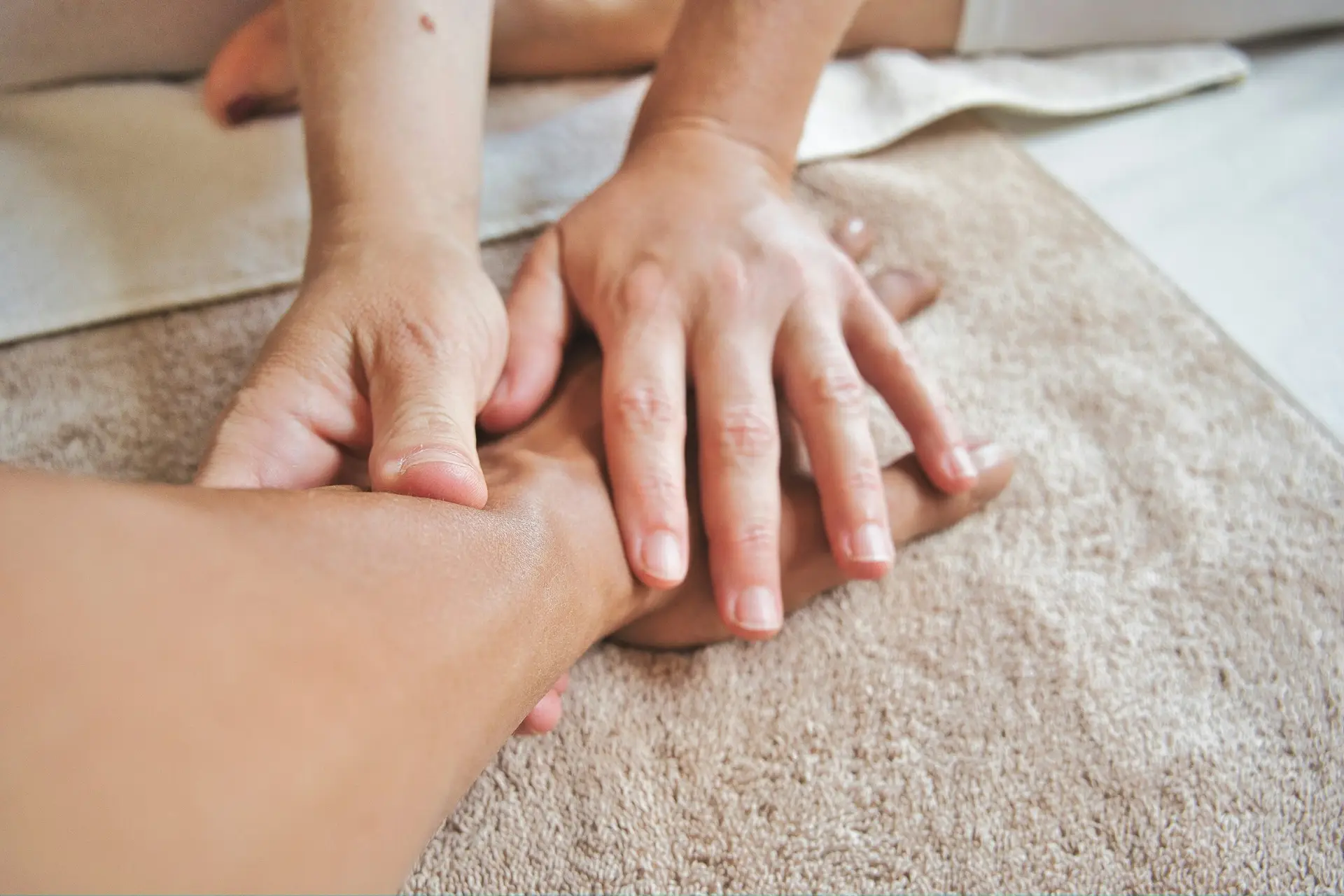
Our Physiotherapists use manual therapy, soft tissue release, taping, and joint unloading strategies to reduce pain and support inflamed joints. These techniques allow safer, more comfortable movement.
Improving mobility and reducing stiffness
Conditions like RA and ankylosing spondylitis can cause significant stiffness in the mornings and reduced joint flexibility. Our physiotherapists and exercise physiologists prescribe range of motion exercises, mobility drills, postural correction and gentle stretching. We also offer Hydrotherapy consultations for low-impact warm‑water relief.
Supporting balance, coordination and neurological function
For individuals with MS or neurological autoimmune conditions, we provide balance training, gait retraining, core stability programs, sensory and coordination drills. These help reduce falls risk and improve confidence with daily activities.
Building strength to support joints and improve daily function
Autoimmune conditions often cause muscle weakness due to inflammation, inactivity, or steroid use. Our strength programs can improve joint stability, reduce systemic fatigue, support posture and gait, reduce flare severity, and restore confidence in movement. Strength training is safe and strongly recommended in inflammatory arthritis and MS.
Increasing energy levels and reducing fatigue
Graded exercise therapy helps recondition the body without overloading the immune system.Research shows exercise reduces MS‑related fatigue, improves endurance, and enhances brain function. We help you find the right balance between rest and activity—preventing the “boom‑and‑bust” cycle.
Long‑Term holistic support
We address every aspect of movement and wellbeing, including ergonomic and workstation advice, sleep hygiene strategies, pain-management education, flare preparation and pacing, and self-management coaching. Our clinic’s whole‑person approach ensures you feel supported across every stage of your condition.
How Exercise Physiologists help people with Autoimmune Conditions
Aerobic Exercise
Includes walking, swimming, cycling, hydrotherapy and low‑impact aerobics. Clinical exercise guidelines for autoimmune conditions recommend short blocks of activity, starting with 5-10 minutes at a time if necessary and building to 30 minutes, three to five times per wee
Strength Training
Strength Training includes free weights, machines, resistance bands and bodyweight training. Clinical guidelines recommend 2-3 sets of 6-10 repetitions undertaken two or three times per week and focusing on major muscle groups.
Stretching & Mobility
Stretching & Mobility is useful for reducing stiffness and improving posture and includes yoga, pilates and tai chi.
Hydrotherapy
Hydrotherapy allows gentle, low-impact strength and stretching exercises to reduce joint load, muscle tension, and pain. The buoyancy and warmth of a hydrotherapy pool is well suited to individuals with joint pain or fatigue and is particularly helpful for people with RA, SLE, fibromyalgia, MS, or chronic pain conditions.
How Pivotal Motion’s group classes and programs support Autoimmune Conditions
Strength & Balance Class
Helps maintain mobility, improve balance, manage pain, and prevent falls with low impact strength and conditioning programs. Especially beneficial for RA, SLE, and MS.
Active Strength for Teens and Adults
A functional strength‑conditioning class suitable for people rebuilding strength or managing fatigue.
Yoga & Stretch Classes
Gentle, guided sessions to support stress reduction, improve mobility, build strength and reduce stiffness.
Physiotherapist & Exercise Physiologist Collaboration
Common Autoimmune Conditions We See in Clinic
Living With Autoimmune Disease
Managing an autoimmune condition is a lifelong process. At Pivotal Motion Physiotherapy, we empower you with tools to manage your symptoms, stay active, and remain connected to meaningful daily activities.
