

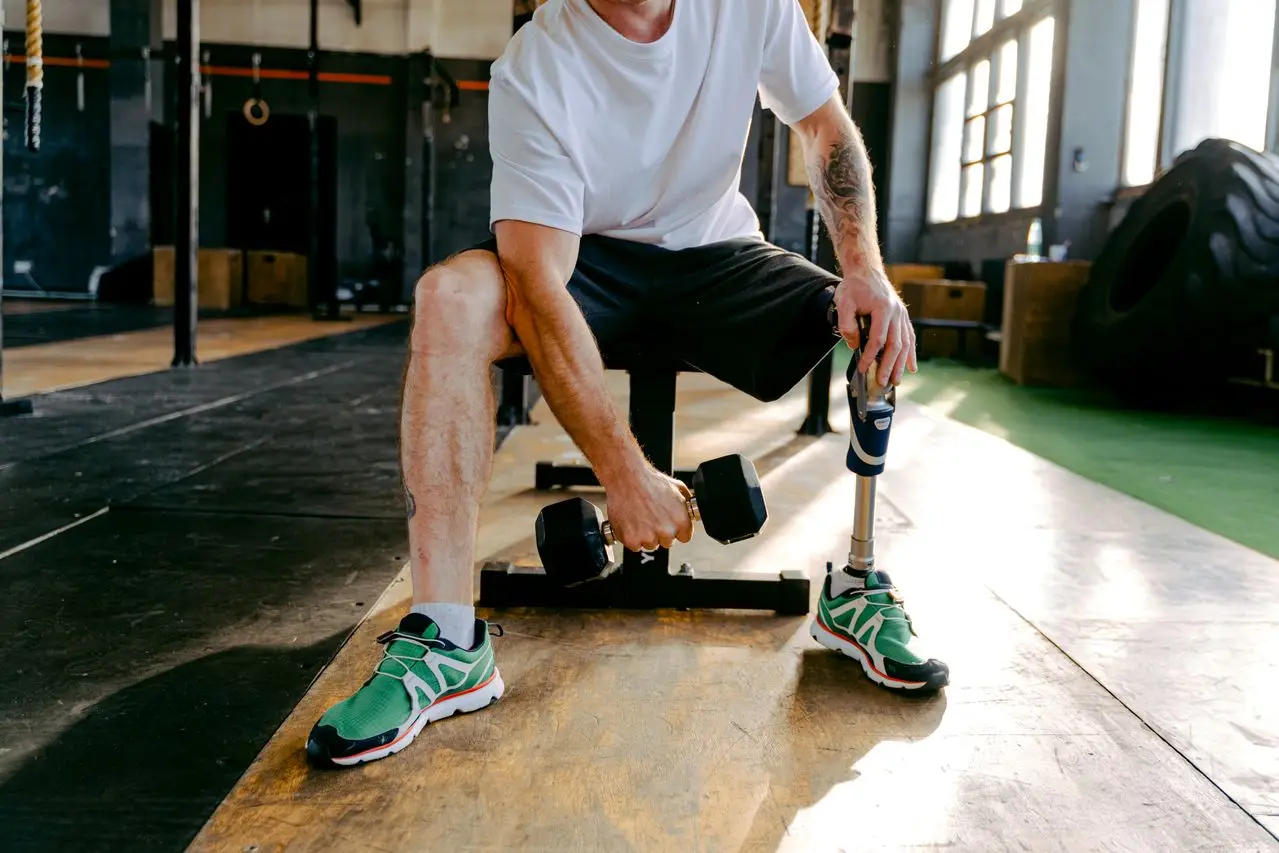
Should you be an NDIS patient and looking to improve yourself physically in the long term, our experienced exercise physiologists in Brisbane are ready to help you. They will develop a unique program of exercises that matches your condition and goals set out in your plan. Unlike general gym classes, exercise physiology provides a scientific and structured approach to exercise. Sessions are developed by qualified specialists who understand how certain conditions can affect your physical capabilities.
In our Newmarket clinic, we encourage patients who live anywhere in Brisbane to take part, irrespective of how their plans have been coordinated. With both physiotherapy and exercise physiology under one roof, along with other group sessions, we ensure that all your services coordinate with each other. If you would like to begin, please call us on 07 3352 5116.
How exercise physiology helps you reach your NDIS goals
Every NDIS plan focuses on achieving specific goals, and exercise physiology plays a vital role in helping you reach them. Whether you aim to walk longer distances without tiring or maintain a physically demanding job, a customised exercise program can be a direct path to success.
The certified exercise physiologist will start by assessing physical capability. The physiologist will then develop a training program aimed at improving particular body functions. Improvement is steady and monitored to ensure that you see results in important areas of your daily life, such as getting out of bed without assistance, lifting groceries, going up the stairs, and working an entire shift.
At our practice, exercise physiologists work closely with physiotherapists and class instructors, allowing for a coordinated approach to your care. For instance, while a physiotherapist addresses an acute issue, your exercise physiologist focuses on building long-term strength, all from a shared set of notes.
Conditions our NDIS exercise physiologists support
Exercise physiology works great for those with disabilities and chronic illnesses where movement itself impacts their ability to function. We work closely with clients who have:
Neurological conditions such as multiple sclerosis, cerebral palsy, acquired brain injuries and spinal cord injuries, where specific programs aim to improve strength, coordination, balance and mobility.
Chronic diseases
Musculoskeletal conditions that persist over time and persistent pain
Physical effects of mental health conditions, like anxiety, where there is sound evidence that structured exercise can improve mental well-being
Regardless of the diagnosis, the program is designed based on how your body currently functions and where you want it to go.
What an NDIS exercise physiology session involves
The first appointment is for assessment purposes. The exercise physiologist examines your medical background and objectives under NDIS before conducting tests on your strength, range, balance, and endurance. From there, you will be given a custom exercise program, which is then adjusted as you progress during follow-up appointments by increasing its complexity and intensity. How you attend that program is flexible, because the barriers NDIS participants face are real, and not everyone can simply turn up to a clinic.
One-on-one sessions at our Brisbane clinic
At our Newmarket location, we have an extensive, well-furnished gym where participants train one-on-one with their exercise physiologist. This is ideal for those who require individual attention as well as use of the gym equipment, such as resistance machines and AXiT muscle testing equipment.
Home-based exercise programs
If visits to a clinic are too difficult, your exercise physiologist is capable of designing a workout routine that can be done from your home using the equipment you already have at your disposal or additional items that you can include. This makes it easy to get rid of the transport barrier.
Group exercise classes in a supportive environment
We offer over twenty group classes per week that include both strength and balance programs that are low impact and suitable for a wide variety of people. Our group classes cost less per person compared to one-on-one sessions, so they can help stretch your budget while getting the benefit of training alongside others, which helps with motivation and consistency.
Using your NDIS plan to fund exercise physiology
Exercise physiology often finds funding under the Capacity Building budget, typically within the Improved Daily Living category. Occasionally, it falls under Improved Health and Wellbeing if your objectives focus on managing the health effects of a disability. It’s important to note that Core Supports do not cover this service.
The way you arrange this service varies based on your plan management style. If you manage your plan independently, you have the freedom to pick any provider. After paying the invoice, you can submit a claim through the Myplace portal. For those with plan-managed arrangements, your plan manager handles invoice payments, allowing you to choose either registered or unregistered providers.
This gives you flexibility in your selection. Conversely, if your plan is agency-managed, the NDIA directly pays providers. In this case, you must select an NDIS-registered provider, which includes us, so agency-managed participants can access our services without additional hassle.
However, if your Capacity Building budget specifies a particular support, the funds usually cannot be reallocated to exercise physiology. If you’re unclear about the details of your plan, your support coordinator or local area coordinator can clarify your options. We are also available to discuss these details with you before you make any commitments.
Brisbane suburbs our NDIS exercise physiologists serve
Being based in Newmarket, we welcome participants from all over Brisbane. A lot of people come to our clinics from South Brisbane, East Brisbane, Kangaroo Point, New Farm, Bowen Hills, Eagle Farm, and Stones Corner, while our home visits ensure that participants from inner suburban areas can still access our care, even if they cannot travel easily.
Book your NDIS exercise physiology appointment in Brisbane
It’s easy to get started. Contact us at 07 3352 5116 or make an appointment, and we’ll discuss how your plan works and how to maximise your budget before your first assessment. Should you be considering if exercise physiology suits your plan, a conversation is the best place to start.
Frequently asked questions
Do I need a referral to see an NDIS exercise physiologist in Brisbane?
No referral is required to see an exercise physiologist. For you to be able to pay for your sessions through NDIS, it is essential that exercise physiology fits in line with the objectives in your plan. If you are not sure if your plan has funding for it, get in touch with us, and we will help verify that for you.
What's the difference between an exercise physiologist and a physiotherapist under the NDIS?
Physiotherapists concentrate on diagnosing and treating injuries, which is quite hands-on and in the early stages of a problem, while exercise physiologists specialise in chronic conditions and disability management, prescribing exercises that lead to strength and independence. Both services are paid under Capacity Building, and since our clinic provides both of them, many of our participants make use of both.
How many exercise physiology sessions will my NDIS plan cover?
This depends on the budget set aside in your program and the rate per hour. Your exercise physiologist will advise you on how often you should attend, usually once a week or every two weeks.
Are your exercise physiologists accredited (AEP)?
Yes. Our exercise physiologists are accredited through Exercise and Sports Science Australia (ESSA). This accreditation makes it possible for our exercise physiologists to prescribe exercise programs for people who have complicated medical or disability issues, which is precisely what NDIS-funded work demands.
Can children access NDIS exercise physiology?
Yes. Exercise physiology is available for children with NDIS funding, and it commonly helps children with cerebral palsy and developmental delay, as well as other neurological conditions, develop their motor skills, strength, coordination, and balance. Children’s programs are made entertaining and age-appropriate, and we collaborate with the family to ensure that the exercises can easily be carried out at home.
