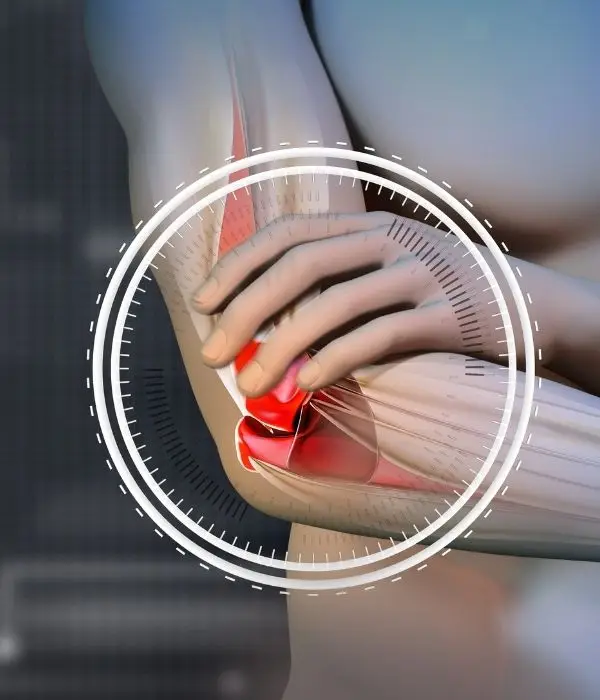
There are few things more frustrating than elbow pain. Whether you have an acute elbow injury or you’re experiencing ongoing elbow pain that just won’t settle, our highly experienced physiotherapists and exercise physiologists can provide expert guidance and support. Our elbow pain treatment can help reduce your discomfort, restore function, and build strength to avoid elbow injury recurrence.
Elbow Pain
The elbow is a complex joint and elbow injuries can be challenging to treat. Typically, GPs will refer patients for elbow physiotherapy and prescribe anti-inflammatory or pain medication as required.
In severe cases, patients might be hesitant to move the affected joint. The resulting muscle atrophy can risk nudging the problem into a chronic category, which becomes a bigger burden for the patient. The most important goal of any elbow pain treatment and exercise program is therefore to regain function. Book an appointment with one of our elbow physiotherapists or exercise physiologists and we’ll get you on the right path.
Elbow pain is typically divided into acute injuries and overuse injuries. Overuse injuries occur due to high functional demands and repetitive loading, especially in those who play sports like golf or tennis or do martial arts or weightlifting. Overuse elbow injuries are also common in people who do work that involves repetitive gripping or wrist movements, especially in middle age.
The most common elbow injuries we assess and treat are:
- Tennis elbow physiotherapy treatment
- Golfer’s elbow physiotherapy treatment, and
- Olecranon bursitis physiotherapy treatment
When properly guided by an experienced elbow physiotherapist, most patients recover well with conservative management and can avoid the need for surgery. Our Physios and EPs have decades of collective experience and skills in assessing, managing, and treating elbow pain, regardless of the cause. Learn more below, book an appointment to come and see one of our team, or give us a call on (07) 3352 5116.
Anatomy of the Elbow
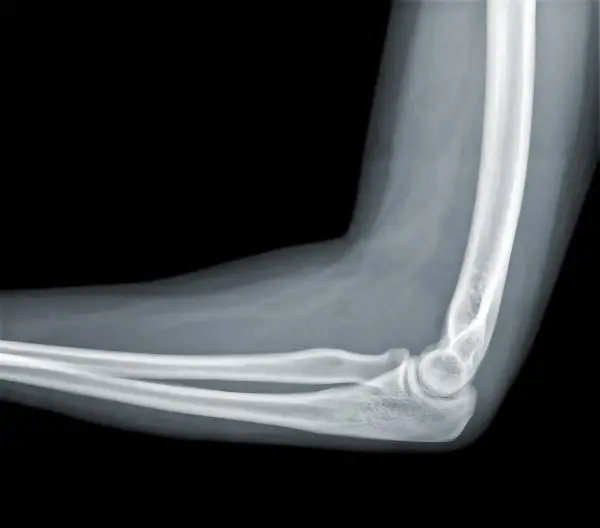
The elbow is comprised of the humerus, radius, and ulna bones that articulate at three joints: the humero-radial, humero-ulnar, and radio-ulnar joints.
The synovial joints of the humerus act as hinges to bend and straighten the elbow while the radio-ulnar joint is a pivot joint that allows forearm rotation (in other words, palms up or down).
The joints are stabilised by the radial and ulnar collateral ligaments that run on either side of the joint; and the annular ligament, a ring-like ligament that wraps around the radius and attaches at the ulna.
Finally, the subcutaneous, intra-tendinous, and subtendinous olecranon bursa are fluid-filled sacs that reduce friction and allow the joint to glide when the elbow moves.
Golfer’s Elbow
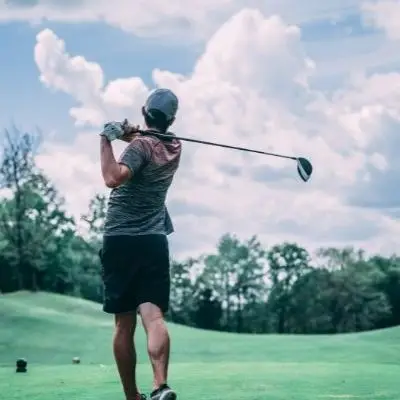
Despite what many people think, golfer’s elbow can affect those who have never even stepped foot on a golf course. It is caused by irritation at the bony protrusion on the inside of the humerus (called the medial condyle), which is where the flexor/pronator tendons attach.
Golfer’s Elbow Physiotherapy Treatment
Golfer’s Elbow Physiotherapy Treatment
Initially, a conservative approach is usually taken with golfer’s elbow physiotherapy treatment. While undergoing any elbow pain treatment, it is important to rest the injured joint, follow the advice of your elbow physiotherapist, and avoid activity that aggravates your pain.
Golfer’s elbow physiotherapy treatment is often similar to tennis elbow physiotherapy treatment (see below). But several studies have found that eccentric exercises (where the muscle lengthens under tension) can significantly reduce golfer’s elbow pain and improve functionality over time. That’s where our expert elbow physiotherapists and exercise physiologists can help.
Select a time online to come and see us or reach out by phoning (07) 3352 5116 to get started on a golfer’s elbow physiotherapy treatment plan today. With our expert guidance, you’ll be back to your usual activity in no time.
Tennis Elbow
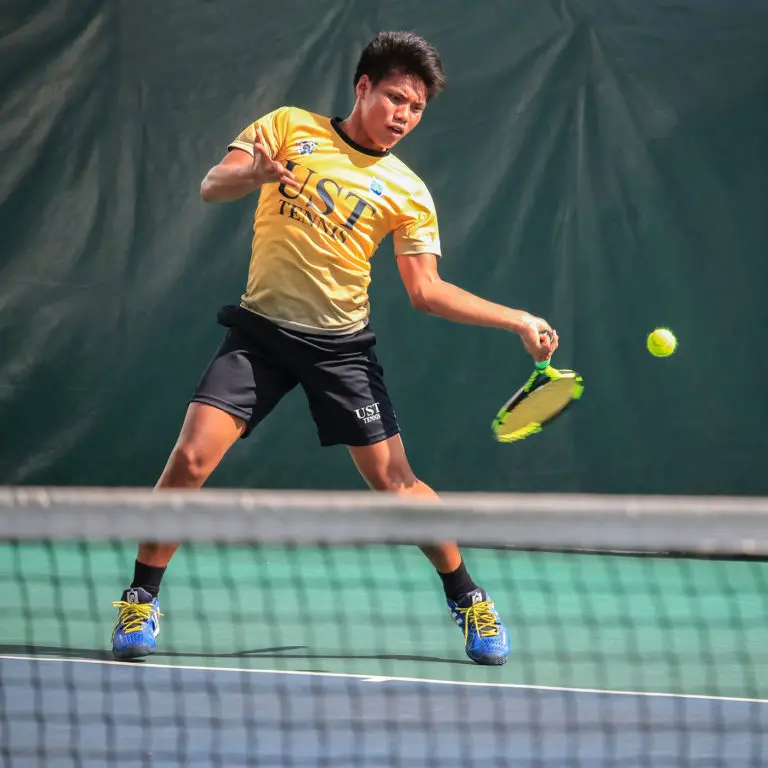
Tennis elbow is an irritation of the bony protrusion on the outside of the humerus called the lateral condyle. It is caused by overuse of the muscles and tendons in the elbow, and greatly reduces grip strength due to the pain involved. This can make daily activities like opening a door or holding your morning coffee difficult.
Tennis elbow is renowned for being difficult to treat. But our experienced team of expert elbow physiotherapists and exercise physiologists are here to help with an elbow pain treatment program to get you back to living your best life as soon as possible.
Tennis Elbow Physiotherapy Treatment
Tennis elbow physiotherapy treatment typically starts with 3-6 months of conservative management, depending on the severity of the injury and the patient’s response to treatment. Our tennis elbow physiotherapy treatment may include manual therapy and joint manipulation, gentle stretches to reduce pain and maintain range of motion, and forearm strengthening to prevent further deconditioning.
Our elbow physiotherapists and exercise physiologists will provide plenty of guidance and support on how you can aid your own recovery with simple stretches and exercises to do at home. Clinical studies and experience have shown that taping or bracing the elbow can also have a big impact for people with tennis elbow by reducing pain at night and with gripping activities.
Those who find no benefit from conservative elbow pain treatment measures may be referred for review by a surgeon.
Get in touch!
Give us a call on (07) 3352 5116 or book online to get started with tennis elbow physiotherapy treatment that will help get you back in action.
FAQs
What is the Cause of Elbow Pain?
Elbow pain is usually caused by overuse in people who take part in sports, jobs, or hobbies that involve repetitive use of the arm, wrist, or hand. It can be caused by issues with bones, tendons, joints, muscles, and ligaments and can happen to anyone, not just those who engage in intensive sports and exercises. Elbow pain can also be caused by an acute injury or can be a symptom of arthritis.
How Do I Know if My Elbow Pain is Serious?
While elbow pain can be persistent and extremely frustrating, it is typically not a serious problem. The fact that we use our arms and elbows for countless tasks throughout the day means it can have a big impact on our lives. If your elbow pain is interrupting your regular activities, becoming too much to bear, or shows no sign of going away on its own, it’s time to consult a professional.
Can Elbow Pain Heal on Its Own?
Though minor cases of elbow pain can eventually resolve on their own, more severe cases – and those related to overuse – will usually require professional support and guidance. It is important to seek the help of a physiotherapist if the pain is reoccurring, as this is likely caused by something in your daily life or habits and is unlikely to heal on its own.
What is the Best Exercise for Elbow Pain?
To avoid elbow pain or injury in the first place, we always recommend a proper stretching program before you engage in sport and other physical activity. It is also important that you are performing these activities with the correct techniques to avoid putting unnecessary strain on your hands, arms, and elbows. If pain is already occurring, we can provide manual therapy, exercises, and a targeted stretching program to help alleviate the issue.
