

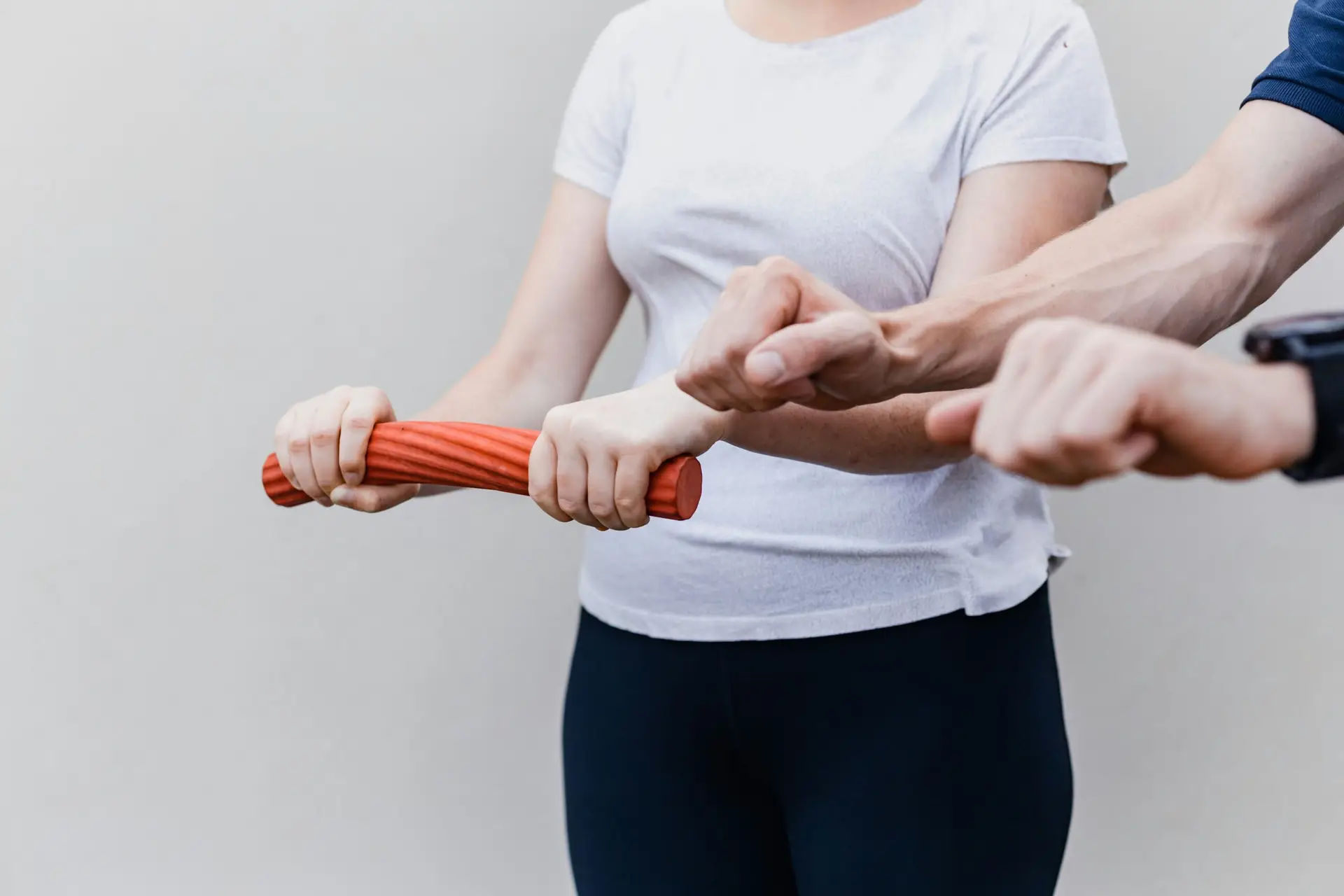
Rehabilitation physiotherapy is designed to assist you in regaining your strength, increase your mobility, enhance your control, and build up your confidence after surgery, an injury, an accident, or due to any other pain. Unlike just giving you a generalised workout routine, the whole idea of rehab therapy involves designing your personalised rehabilitation program depending upon your goals. At Pivotal Motion, we follow a gradual process in order to make you aware of all the steps of your recovery.
You could be gearing up for knee reconstruction, bouncing back from an ankle injury, healing from an accident, or dealing with persistent pain. Whatever your personal circumstance, the program is carefully structured and adjusted as your body responds. If you’re ready to start moving again, consider scheduling an initial assessment today to kick off your personalised plan.
What rehabilitation physiotherapy treats
Rehabilitation focuses on helping individuals regain their abilities across various conditions. It aims to restore functionality, not just alleviate symptoms. The journey begins with a thorough assessment to identify the obstacles in one’s path to recovery and to define what complete rehabilitation means for an individual’s body and daily routines.
Post-surgical recovery
Following orthopedic surgery, patients typically experience a decrease in strength and function, which rehabilitation aims to restore. Programs designed for ACL reconstruction, as well as total knee or hip replacements, focus on rebuilding the strength and control of the muscles around the operated joint. As patients advance through their recovery, these programs gradually restore the range of motion. They adhere to the loading stages recommended by the surgeon, ensuring that individuals safely transition from basic activities like walking and climbing stairs to eventually resuming sports and other physical activities.
Sports and other injuries
The key aim in sports rehabilitation is the healing process of injuries sustained by athletes. The injuries may involve the hamstring, shoulders, ankles, or irritated tendons. This is aimed at ensuring that they are able to return to earlier fitness levels and flexibility.
Chronic and persistent pain
Chronic pain in areas such as the neck, back, knee, or shoulder doesn’t react the same way as a new injury and seldom improves with just rest. An exercise program that slowly rebuilds your body’s tolerance, combined with hands-on therapy and a clear understanding of your condition, often helps people move more freely with less discomfort. This approach also reduces the fear associated with being active.
How your rehabilitation program works
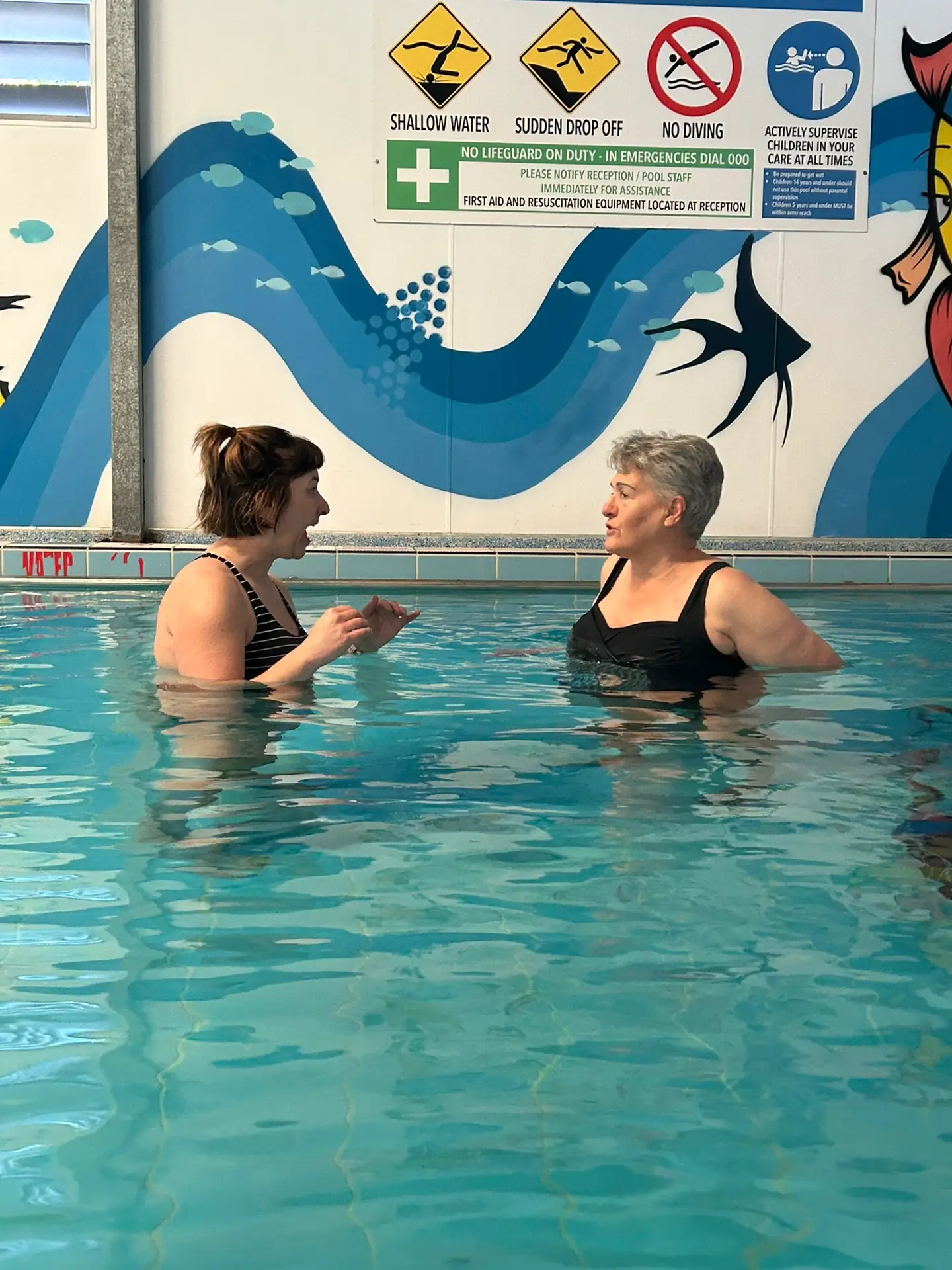
Your physiotherapy treatment starts with a detailed assessment of how you move and your strengths and weaknesses, carried out by your physiotherapist. It gives insight into how far there is between where you currently are and what you need to achieve. Using this assessment, a personalised rehabilitation program is developed for you that involves exercises and target loads, among other things.
The process of recovery correlates with how our body heals itself. First, there will be an inflammation stage for 72 hours. The second stage would be the repair stage, lasting between four to six weeks. The last stage is called the remodelling stage, which could take up to a year as the tissue slowly builds back its strength. This recovery program caters to your body’s needs at all times. It starts with simple movement exercises and then moves on to cater to the demands of your sport and normal routine.
Prehabilitation: rehab before surgery
Typically, rehabilitation kicks in after an injury or during the recovery phase. Prehabilitation, however, takes a proactive approach by strengthening and enhancing movement before surgery. The benefits of this approach are well-documented. Individuals undergoing procedures like ACL reconstruction or total knee or hip replacements often experience better recovery outcomes and spend less time in the hospital. They also show improved functional capacity at six months and two years post-surgery.
The rationale behind it is simple; any surgical process would definitely lead to some reduction in a person’s ability and fitness. The higher the level of fitness before going through surgery, the lesser the amount that needs to be restored after the process. Before surgery, a physiotherapist would have already designed an exercise program geared towards ensuring strength and flexibility in the targeted muscle.
An additional advantage often overlooked by patients is the familiarity with exercises. The routines learned prior to surgery are the same ones used during recovery. This familiarity boosts both confidence and effectiveness when formal rehabilitation starts. Prehabilitation is also beneficial for those resuming exercise after a long hiatus, as it helps prepare joints and muscles for increased activity, reducing the risk of injury.
Preventing re-injury and treating the underlying cause
Recovering from an injury involves more than just healing the affected area. If the underlying movement issue remains, the injury is likely to recur. At Pivotal Motion, our therapists focus not just on the painful area but on the root cause of the overload. This could be due to weakness, limited range of motion, an ingrained habit, or a faulty movement pattern that places undue stress on parts of the body not equipped to handle it.
Injuries typically result in the development of compensation strategies. In order to reduce pain, you may modify your gait, climbing, sitting, or standing. Though these compensations will help you prevent the affected body part from causing discomfort, they can end up putting additional pressure on other areas of the body, turning your knee injury into an injury of the hips in the long run.
A rehabilitation program that concludes once the pain subsides is usually insufficient. To prevent the same injury from recurring, it’s essential to correct movement deficiencies and restore proper function. Although this process is slower than merely addressing symptoms, it ensures a durable recovery, preventing setbacks when the body faces new challenges.
Why choose Pivotal Motion for rehabilitation in Brisbane
When you leave the hospital, it’s often just the start of your recovery journey. This is where Pivotal Motion, a private outpatient clinic in Newmarket, steps in. We’re here to support you every step of the way, from the early days post-surgery to the moment you’re back to your usual activities, whether that’s playing sports or returning to work.
The consistency we offer is crucial. Unlike the limited sessions you might get as an inpatient, we provide ongoing care over several months. Your physiotherapist will adjust your rehabilitation plan based on your progress, ensuring you hit key milestones that are sometimes overlooked once the initial recovery phase is over. You’ll work with the same therapist and follow a consistent plan throughout your journey.
For over 18 years, Pivotal Motion has been a trusted provider of physiotherapy care for Brisbane residents. Our Newmarket clinic combines hands-on treatments with exercise-based rehabilitation, all tailored to your specific needs. We also accommodate various funding options, including NDIS, DVA, Workcover, and private health, making our care accessible no matter how your rehabilitation is financed.
Book your rehabilitation assessment
Rehabilitation is easier when it is done with careful planning. Schedule your assessment at Pivotal Motion, and you will be provided with an effective rehabilitation program tailored specifically to your surgery, injury, pain, or fitness goals. You can make your appointment now by booking online or calling us on 07 3352 5116.
Frequently asked questions
How long does rehabilitation physiotherapy take to work?
The vast majority of patients notice the effects quite quickly within the first few weeks; however, complete recovery depends on how long it takes your tissue to heal. Four to six weeks is needed for soft tissue to repair and then undergo a remodelling process lasting up to one year while regaining full strength. Your physiotherapist sets realistic milestones at your assessment so you can track real progress.
How soon after surgery can I start rehabilitation physiotherapy?
It depends on your treatment and on your surgeon’s guidelines, but you will start rehab within days, beginning with gentle, protected mobilisation. Early and appropriate loading helps with your healing rather than hindering it. Pivotal Motion follows your surgeon’s guidelines to ensure that your rehabilitation moves forward at the right pace for your recovery.
Do I need a referral to see a rehabilitation physiotherapist in Brisbane?
A referral is not necessary for booking privately as a first contact patient. Referral from a doctor is required for DVA funded treatment, and a GP management plan is required for claiming Medicare subsidised appointments. Booking a regular private appointment does not require a referral.
Does private health insurance, NDIS or DVA cover rehabilitation physiotherapy?
Yes, in most cases. Private extras provide physiotherapy services based on the type of fund and level of cover; you will be able to claim instantly. Participants in NDIS are able to take advantage of self-managed or plan-managed funding, while eligible DVA clients are provided coverage with a valid referral.
Can I do my rehabilitation exercises at home?
Yes. Your program is designed to be done at home using your own equipment, with much of the work being done between visits. Clinic sessions are done to evaluate your form and increase your loading, modifying the program as needed to ensure that both the clinic and home workloads move toward the same goal.
Where is Pivotal Motion's rehabilitation physiotherapy clinic located?
The clinic is located at 240 Enoggera Road, Newmarket QLD 4051, which is just minutes away from Brisbane’s inner north. You may make an appointment via our website anytime or contact the practice at 07 3352 5116 to arrange your consultation.
